


The Silent Revolution: How Drones are Re-Engineering the Global Industrial Landscape
By: Colonel (ret) Bernie Derbach, KR Droneworks, 30 Dec 25

The narrative of drone technology has shifted from "novelty" to "necessity." As we cross the midpoint of the 2020s, drones are no longer just flying cameras; they are mobile sensor platforms, edge-computing hubs, and autonomous logistics agents. Their integration is creating a more "proactive" rather than "reactive" industrial world.
Agriculture: From Precision to Autonomy
While early drone use in farming focused on simple aerial photography, the current "deep dive" reveals a move toward autonomous crop management. Modern agricultural drones are now integrated with AI-driven software that doesn't just show a farmer where a problem is—it prescribes a solution.
For instance, multispectral imaging allows for the calculation of the Normalized Difference Vegetation Index (NDVI), a mathematical formula used to assess plant health.
NDVI=(NIR+Red)(NIR−Red)

Where NIR is Near-Infrared light and Red is visible red light. By automating this calculation across thousands of acres, drones can trigger autonomous ground-based tractors or other drones to apply variable-rate nitrogen only where the formula indicates stress. This level of precision is estimated to reduce chemical runoff into local water tables by up to 30-40%, marking a massive win for environmental sustainability.

Infrastructure and Energy: The New Guardians of the Grid
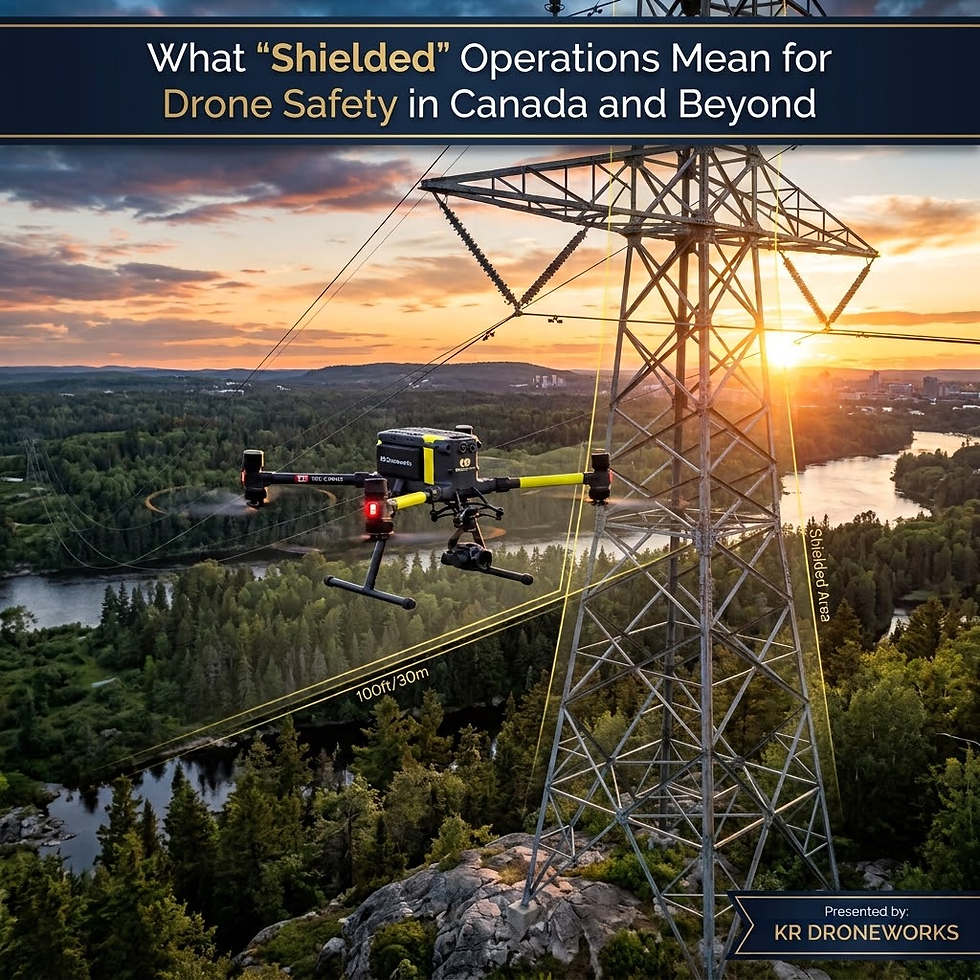
One of the most significant, yet least discussed, impacts of drones is in the utilities and energy sector. Inspecting high-voltage power lines or wind turbine blades used to require "linemen" to dangle from helicopters or climb hundreds of feet.
Today, drones equipped with Corona cameras can detect electrical discharge (the "Corona effect") that indicates a failing insulator before it causes a wildfire or a blackout. In the renewable sector, drones use thermal imaging to find "hot spots" on solar panels—individual cells that have failed and are dragging down the efficiency of the entire array. By identifying these issues in real-time, energy companies can maintain a higher "uptime" for the grid, supporting the global transition to green energy.

The Logistics Pivot: Beyond the "Burrito Delivery"
While consumer delivery (like getting a pizza via drone) grabs headlines, the real industrial shift is happening in internal logistics and "Middle-Mile" transport. In massive automated warehouses, smaller "indoor drones" are now used for real-time inventory auditing. They fly through aisles at night, using RFID and computer vision to scan thousands of barcodes per hour, reaching heights that would require dangerous ladder work for humans.
Furthermore, in the "Middle-Mile," heavy-lift cargo drones are beginning to replace small feeder planes and trucks in regions with poor infrastructure. In parts of Africa and Southeast Asia, drones are the primary method for moving time-sensitive medical cargo—like blood units or vaccines—across mountainous terrain in minutes rather than hours. This isn't just an efficiency gain; it is a life-saving infrastructure bypass.


Comments